The Rise of Non-Viral Destination
Ecotourism
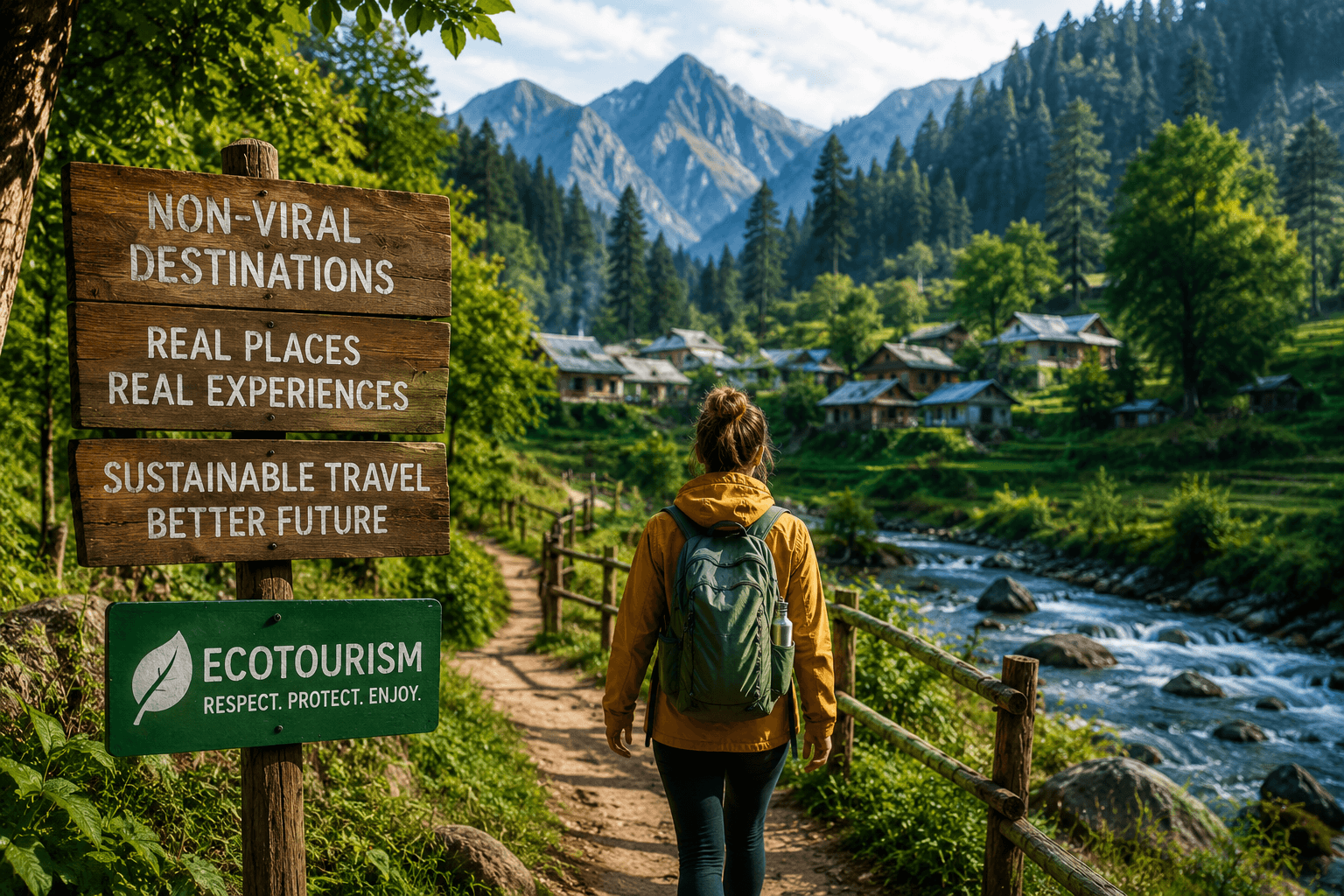
Beyond the Crowds: The Rise of Non-Viral Destinations and Ecotourism
A New Way to Travel
In recent years, the way people choose their travel destinations has changed dramatically. While social media has inspired millions to visit iconic landmarks, stunning beaches, and famous cities, it has also created a new challenge—overtourism. Popular destinations often struggle with overcrowding, environmental damage, and the gradual loss of the unique charm that once attracted visitors.
As a result, more travelers are looking beyond the most photographed locations. They are discovering the beauty of non-viral destinations and embracing ecotourism, a travel style that values authenticity, sustainability, and meaningful experiences over online popularity.
What Are Non-Viral Destinations?
Non-viral destinations are places that have remained largely untouched by mass tourism and have not become internet sensations. These hidden gems may not appear on every travel influencer's feed, but they often offer breathtaking landscapes, peaceful surroundings, rich cultural traditions, and genuine hospitality.
Instead of rushing from one crowded attraction to another, visitors can enjoy a slower pace of travel, connect with local communities, and experience the true character of a destination. These places remind travelers that some of the world's greatest treasures are often the least known.
The Growing Demand for Authentic Travel Experiences
Modern travelers are increasingly seeking authentic experiences rather than simply collecting photos for social media.
Long queues, overcrowded viewpoints, and packed tourist attractions can take away from the joy of exploring. Many people now prefer destinations where they can:
Experience local traditions
Meet friendly residents
Taste authentic regional cuisine
Discover hidden cultural landmarks
Enjoy peaceful natural surroundings
These experiences create lasting memories and provide a deeper understanding of the destination's history, culture, and everyday life.
Understanding Ecotourism
One of the driving forces behind this travel trend is ecotourism.
Unlike traditional tourism, ecotourism focuses on protecting nature while supporting local communities. It encourages responsible travel that minimizes environmental impact and helps preserve natural and cultural heritage.
Popular ecotourism activities include:
Wildlife watching
Nature hikes
Exploring protected forests
Visiting national parks
Community-based tourism
Bird watching
Marine conservation tours
These experiences allow travelers to enjoy nature while helping protect it for future generations.
Protecting Nature Through Responsible Tourism
One of the greatest benefits of ecotourism is its positive impact on the environment.
Many eco-friendly destinations invest tourism income in protecting forests, rivers, coral reefs, wildlife, and other fragile ecosystems. Revenue from entrance fees, guided tours, and conservation projects helps preserve these natural resources while educating visitors about environmental protection.
As travelers become more aware of sustainable practices, they are more likely to adopt environmentally friendly habits both during and after their trips.
Supporting Local Communities
Sustainable tourism is not only good for nature—it also benefits the people who call these destinations home.
Many ecotourism destinations encourage visitors to:
Stay in locally owned guesthouses
Eat at family-run restaurants
Hire local guides
Purchase handmade crafts
Support community businesses
This approach creates employment opportunities, strengthens local economies, preserves traditional skills, and encourages communities to protect both their cultural heritage and natural environment.
Technology Is Helping Travelers Discover Hidden Gems
Although social media often promotes famous attractions, technology is also making it easier to discover lesser-known destinations.
Travelers now rely on:
Travel blogs
Local tourism websites
Online travel forums
Independent travel guides
Recommendations from experienced travelers
Instead of searching for the most photographed location, many people are choosing quiet villages, scenic hiking trails, secluded beaches, and protected natural parks that offer unforgettable experiences without the crowds.
Challenges of Growing Popularity
Despite its many advantages, ecotourism is not without challenges.
If a hidden destination suddenly becomes popular, it can quickly face the same issues as famous tourist hotspots, including:
Overcrowding
Pollution
Habitat destruction
Pressure on local resources
Loss of cultural authenticity
To prevent these problems, governments, tourism organizations, local communities, and travelers must work together to promote responsible tourism and manage visitor numbers sustainably.
How Every Traveler Can Make a Difference
Responsible travel starts with individual choices.
Visitors can help protect non-viral destinations by:
Respecting local customs and traditions
Reducing plastic waste
Conserving water and energy
Staying on marked hiking trails
Avoiding disturbance to wildlife
Supporting eco-friendly businesses
Buying products from local artisans
These simple actions help preserve destinations while ensuring that local communities continue to benefit from tourism.
The Future of Sustainable Tourism
The future of tourism is being shaped by a growing appreciation for sustainability, authenticity, and responsible travel.
Today's travelers are beginning to realize that the true value of a journey is not measured by the number of social media likes but by the memories created, the people met, and the positive impact left behind.
By choosing non-viral destinations, travelers can experience breathtaking landscapes, unique cultures, and meaningful adventures while helping preserve these places for future generations.
Conclusion
The rise of non-viral destinations and ecotourism reflects a positive shift in the way people explore the world. Rather than focusing only on famous attractions, modern travelers are choosing experiences that offer peace, authenticity, and environmental responsibility.
Supporting sustainable tourism means protecting natural landscapes, preserving local cultures, and strengthening community livelihoods. Every thoughtful travel decision—whether it's staying in a local guesthouse, reducing waste, or respecting nature—contributes to a healthier future for tourism.
In the end, the most memorable journeys are often found beyond the crowds, where genuine experiences, meaningful connections, and untouched beauty create stories that last a lifetime.