Bleisure Travel
Combination of business and travel
The Perfect Blend of Business and Leisure: The Rise of Bleisure Travel
What Is Bleisure Travel?
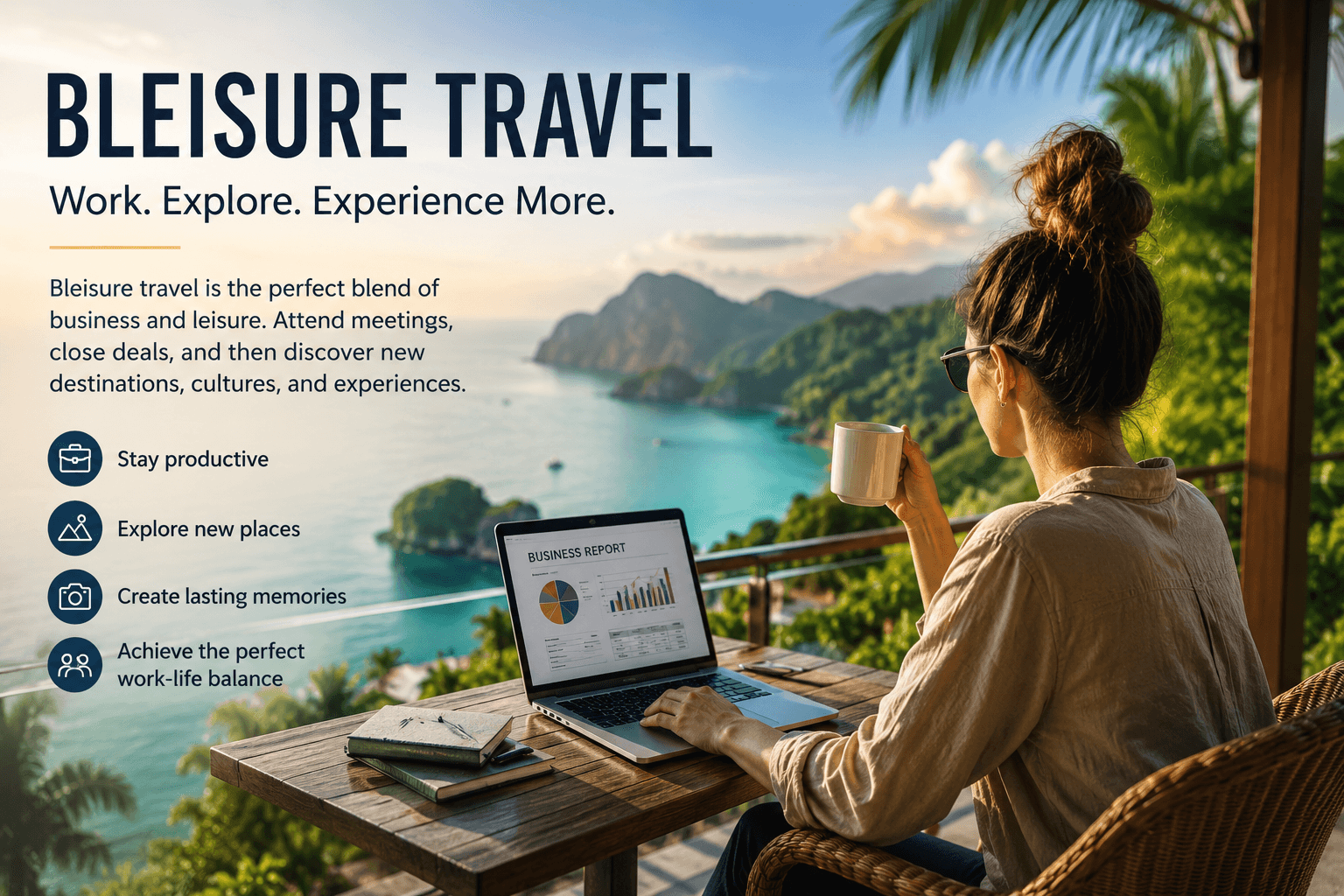
Modern business travel is no longer just about attending meetings, closing deals, and catching the next flight home. Today, many professionals are embracing bleisure travel—a growing trend that combines business and leisure into one rewarding journey.
The word "bleisure" is a blend of business and leisure, describing the practice of extending a work trip to enjoy a destination after professional responsibilities are complete. Instead of viewing business travel as a routine obligation, professionals are turning it into an opportunity to explore new places, experience different cultures, and relax before returning home.
Why Bleisure Travel Is Becoming So Popular
Several factors have contributed to the rapid growth of bleisure travel. The rise of remote work, flexible schedules, and advanced digital technology has made it easier than ever for professionals to work from almost anywhere.
Many companies now allow employees to spend a few extra days at their business destination, provided their work is completed. Rather than booking a separate vacation later, travelers can enjoy local attractions, restaurants, and cultural experiences immediately after their meetings end.
This flexibility has transformed the way people think about work-related travel.
A Better Work-Life Balance
One of the biggest advantages of bleisure travel is its positive impact on work-life balance.
Business trips can be demanding, often involving long meetings, tight schedules, and frequent flights. Adding a few leisure days allows professionals to unwind, reduce stress, and recharge before returning to their daily routine.
Whether it's strolling through historic streets, relaxing on a beautiful beach, hiking in nature, or tasting authentic local cuisine, these experiences improve both mental well-being and overall job satisfaction.
An Opportunity to Explore New Destinations
Business travelers often visit cities they might never consider for a traditional vacation. Bleisure travel gives them the chance to discover these destinations beyond the conference room.
Extra time allows travelers to visit:
Historic landmarks
Museums and art galleries
Local markets
National parks
Cultural festivals
Popular restaurants and cafés
These experiences turn an ordinary business trip into a memorable adventure filled with meaningful moments.
How Hotels Are Adapting to the Trend
The hospitality industry has quickly recognized the growing demand for bleisure travel.
Many hotels now offer facilities designed to support both productivity and relaxation, including:
High-speed Wi-Fi
Comfortable workspaces
Business centers
Fitness centers and gyms
Swimming pools and spas
Rooftop lounges
Guided city tours
Some hotels even provide special bleisure packages that combine business services with sightseeing experiences, making it easier for travelers to enjoy the best of both worlds.
Positive Impact on Local Economies
Bleisure travel doesn't just benefit travelers—it also supports local communities.
When business travelers extend their stay, they spend more on:
Hotels
Restaurants
Transportation
Shopping
Entertainment
Tourist attractions
This additional spending helps local businesses grow, creates employment opportunities, and strengthens the tourism industry. As a result, many destinations are developing unique experiences specifically designed for bleisure visitors.
Technology Makes Bleisure Travel Easier
Modern technology plays a key role in making bleisure travel convenient and stress-free.
Today's travelers rely on mobile apps to:
Book hotels and flights
Reserve guided tours
Navigate unfamiliar cities
Translate languages
Make secure digital payments
Manage work tasks remotely
With these tools, professionals can stay productive while making the most of their leisure time.
Planning Is the Key to Success
Although bleisure travel offers many benefits, successful trips require thoughtful planning.
Professional responsibilities should always come first. Clear communication with employers, effective scheduling, and good time management ensure that work commitments are completed before leisure activities begin.
By organizing the trip carefully, travelers can enjoy their destination without compromising their professional performance.
The Growing Importance of Sustainable Bleisure Travel
Sustainability is becoming an essential part of modern travel, and bleisure travelers are increasingly making environmentally responsible choices.
Many choose to:
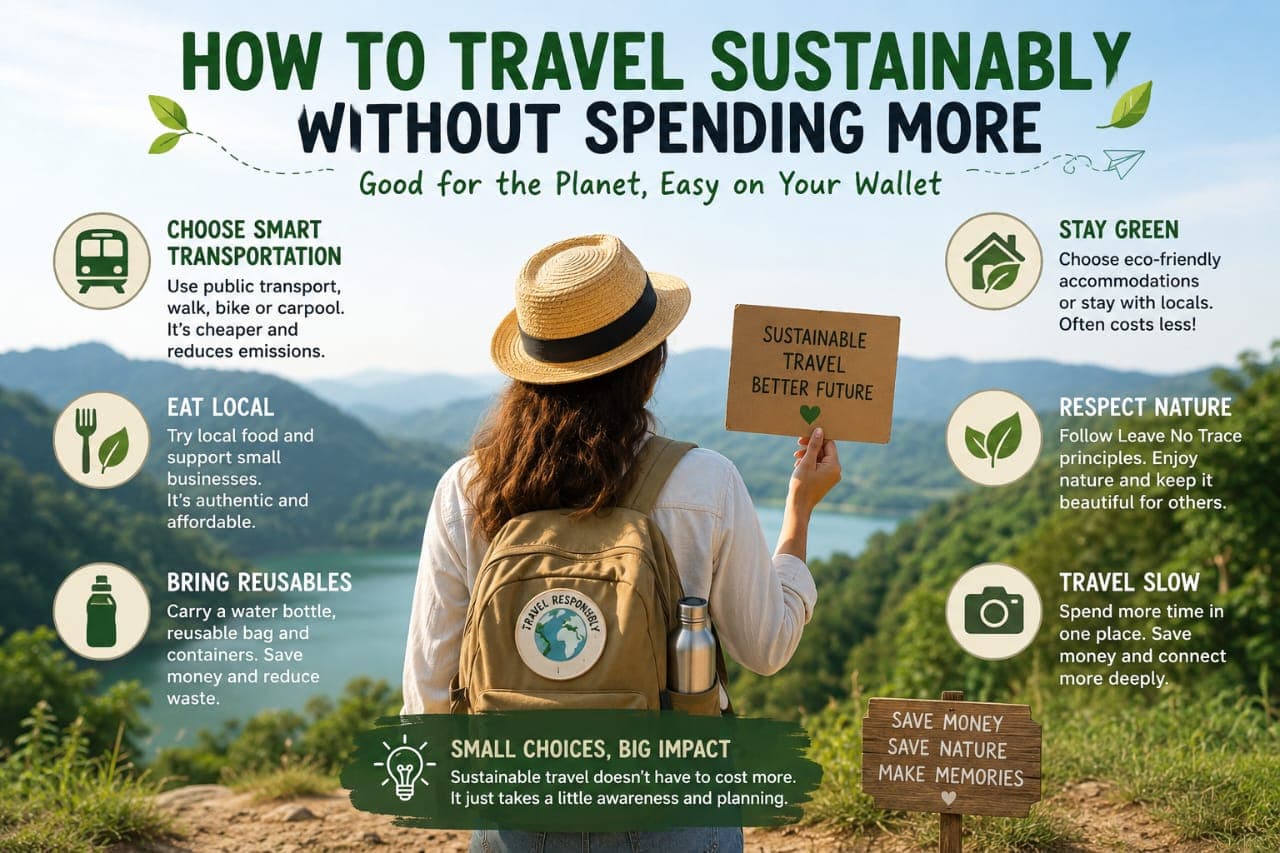
Stay in eco-friendly hotels
Use public transportation
Support local businesses
Purchase locally made products
Participate in responsible tourism activities
These small decisions help protect the environment while supporting local communities and preserving destinations for future generations.
The Future of Bleisure Travel
As companies continue to embrace hybrid work and flexible working arrangements, the popularity of bleisure travel is expected to grow even further.
Professionals are increasingly seeking experiences that combine career development with personal enjoyment, making business trips more meaningful and rewarding than ever before.
For employers, bleisure travel can improve employee satisfaction and well-being, while destinations benefit from increased tourism and longer visitor stays.
Conclusion
Bleisure travel represents the perfect balance between professional success and personal enjoyment. By combining business responsibilities with leisure experiences, travelers can improve their work-life balance, discover exciting destinations, and create lasting memories without planning a separate vacation.
As the modern workplace continues to evolve, bleisure travel is becoming more than just a trend—it is shaping the future of business travel. By blending productivity, exploration, and relaxation, every business trip has the potential to become a richer, more enjoyable experience for travelers, businesses, and destinations alike.